

The complete archive
Research-framed writing on peptide quality, verification, lab technique, and compound comparisons — the reasoning behind how Reviva sources and handles its catalogue. Educational reference only; nothing here is medical or dosing advice.
 Glossary & Reference
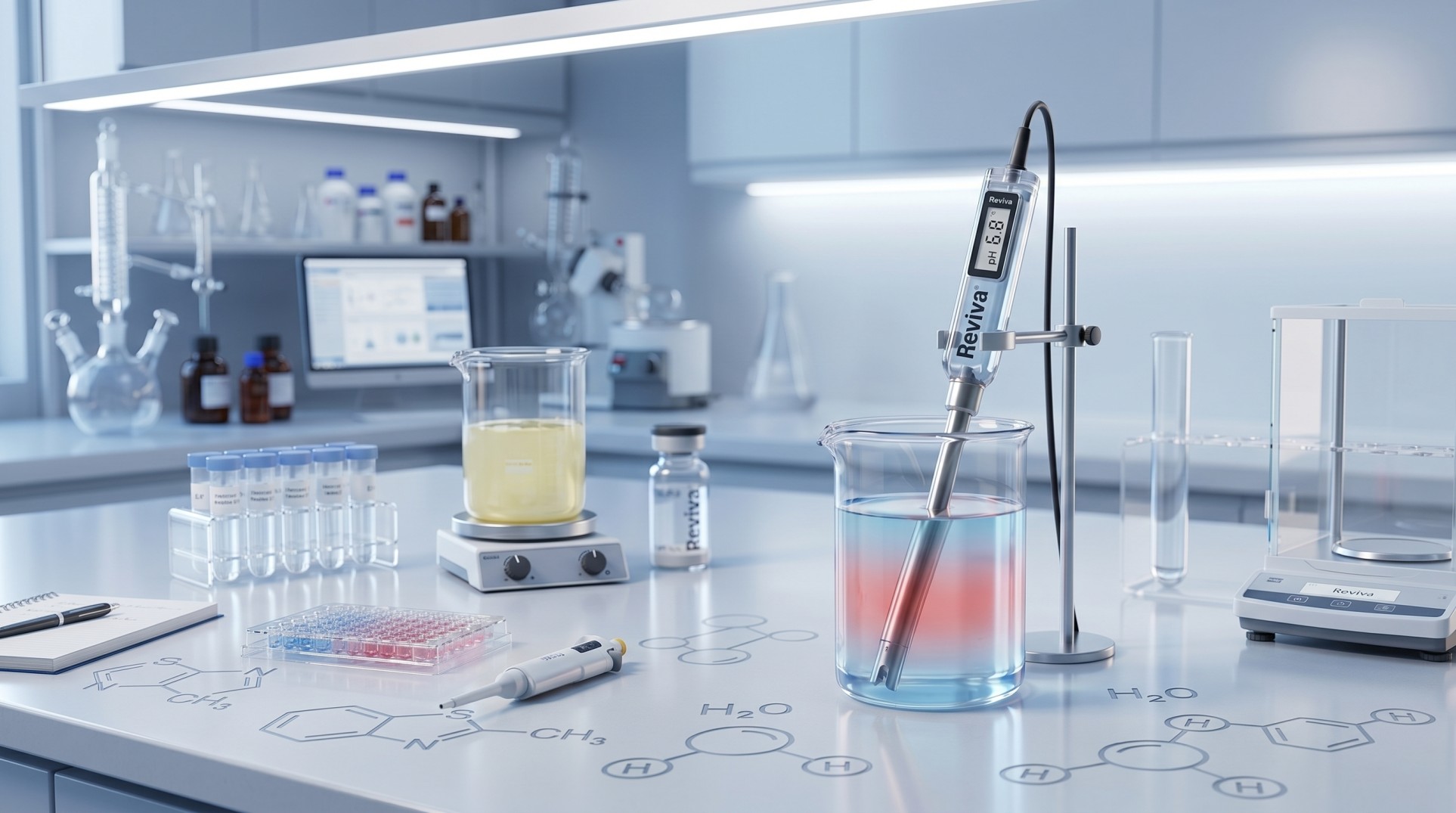
Understanding pH in Peptide Solutions
Why acidity and alkalinity play an important role in peptide stability, solubility, and preparation — and how the chemistry of the surrounding solution shapes molecular behavior.

 Glossary & Reference
Why Do Some Peptides Gel After Reconstitution?
Understanding pH, solubility, and why certain peptides may form viscous solutions after preparation — and why a thicker solution is not automatically a sign that something has gone wrong.
 Glossary & Reference
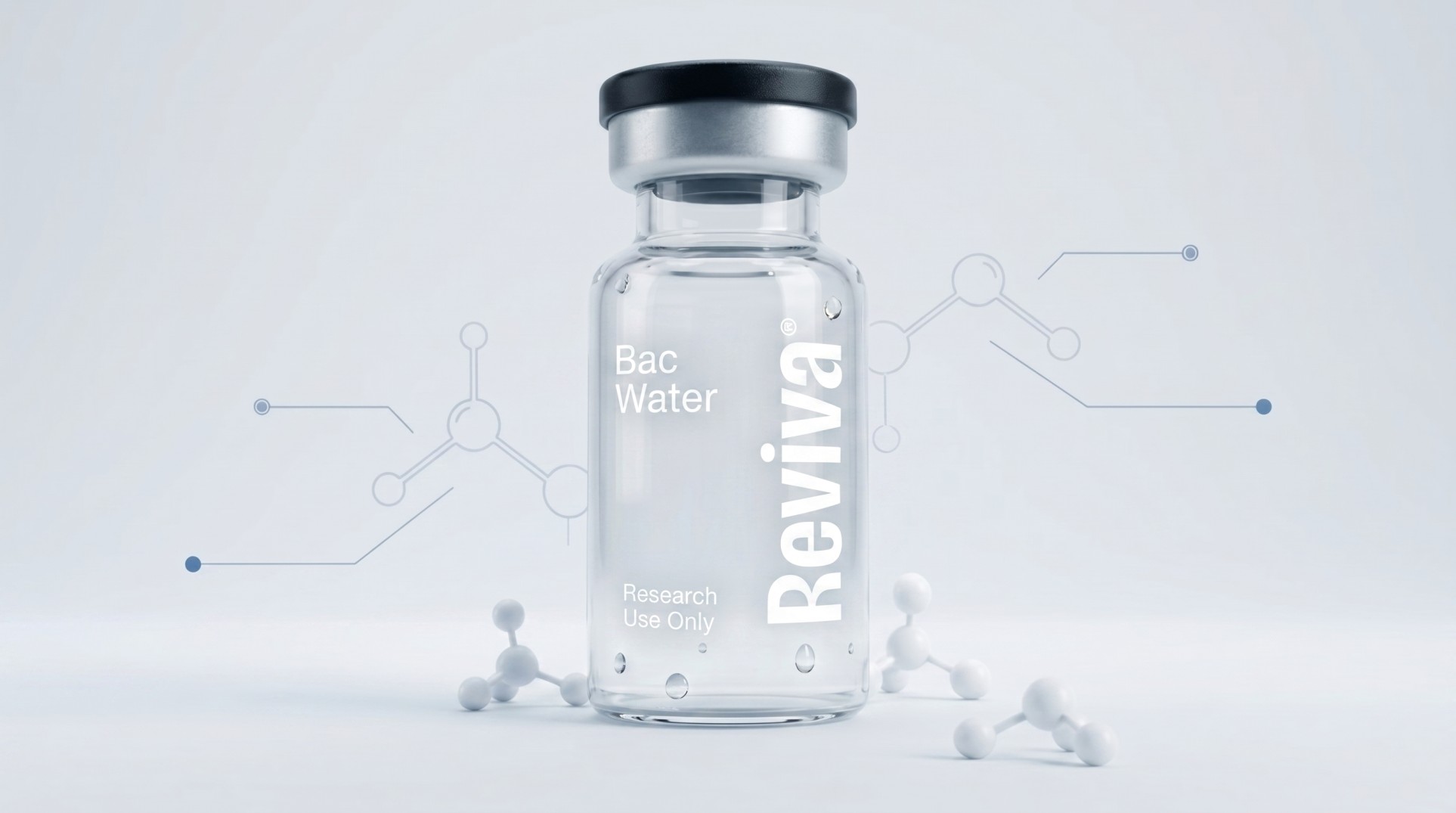
What Is Bacteriostatic Water?
Understanding one of the most commonly used preparation solutions in peptide and laboratory research — what it is, how it differs from sterile water, and why it is so widely used.
 Compound Profiles
Understanding Retatrutide Research
Retatrutide is a triple-receptor agonist studied across GLP-1, GIP, and glucagon pathways. A research-framed look at why multi-pathway metabolic compounds attract so much attention.
 Compound Profiles
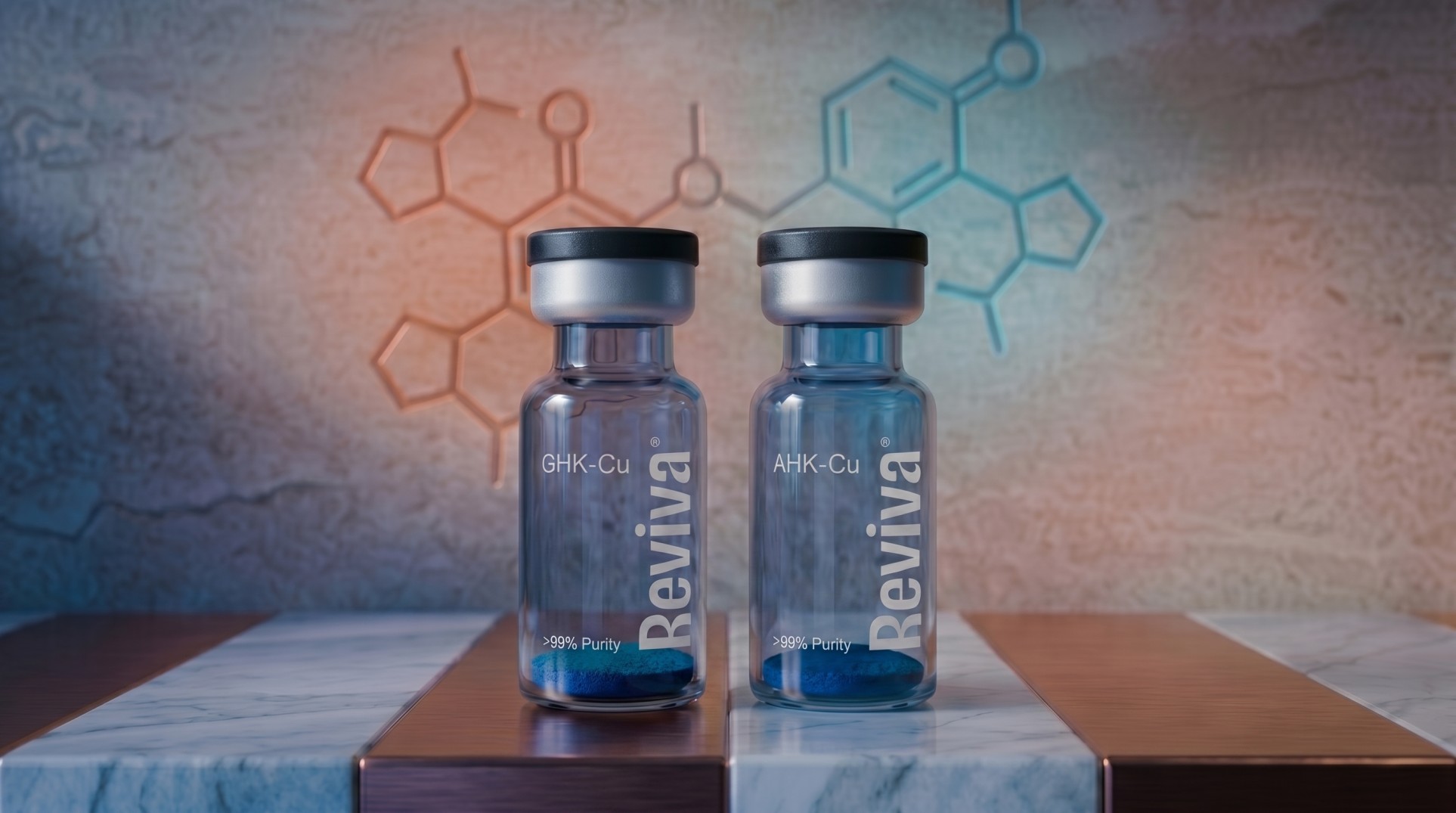
GHK-Cu vs AHK-Cu: How the Two Copper Peptides Differ
Both are copper-binding tripeptides studied for skin and hair research, but they are not interchangeable. A structural and research-context comparison of GHK-Cu and AHK-Cu.
 Reconstitution & Storage
Understanding Concentration & Dilution
Why volume matters just as much as quantity when preparing research compounds — and how the relationship between the two governs every concentration calculation.
 Reconstitution & Storage
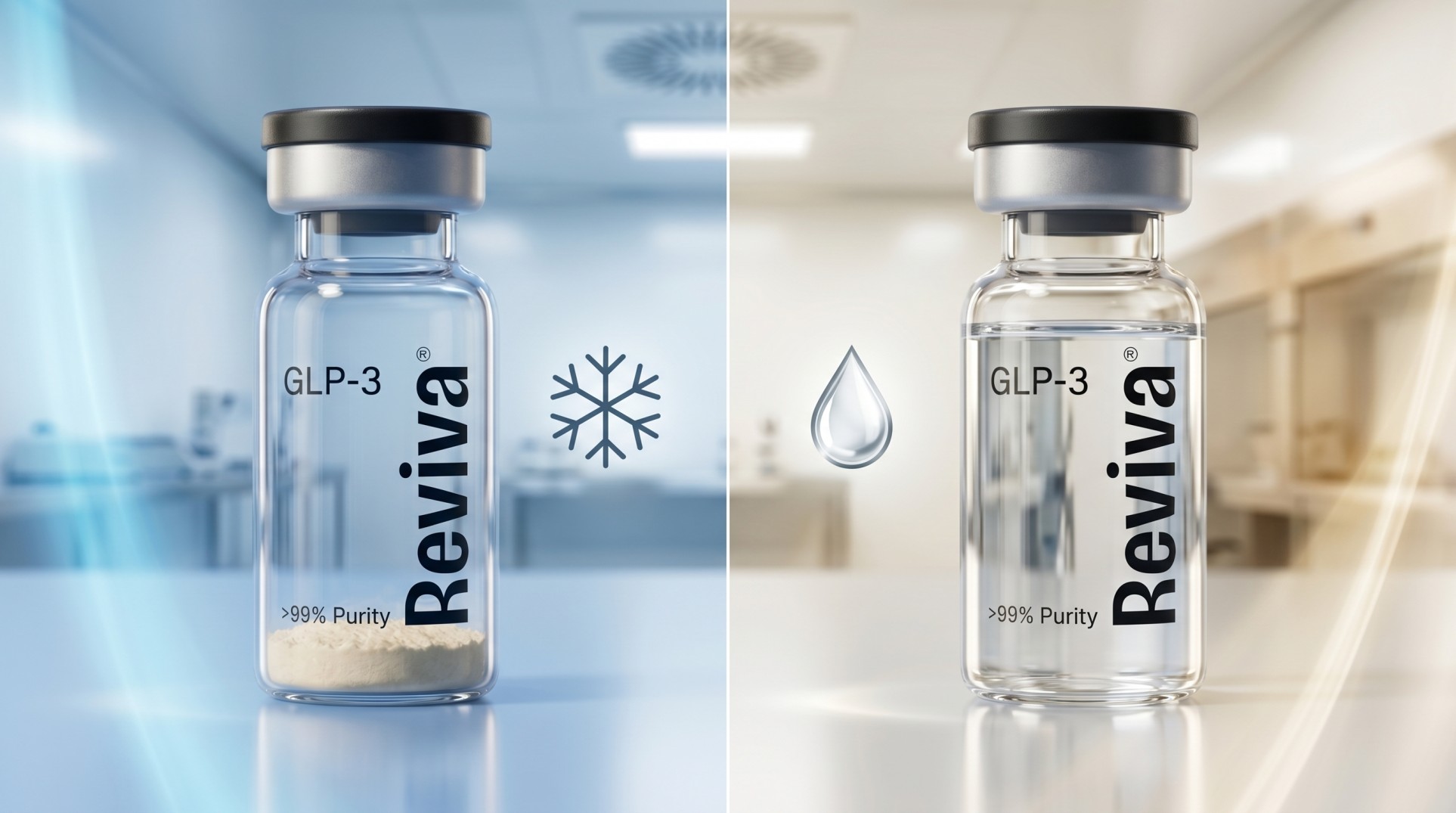
Lyophilized vs Reconstituted Compounds
Understanding the difference between dry freeze-dried powders and prepared solutions — and why that distinction quietly governs stability, storage, and handling.
 Reconstitution & Storage
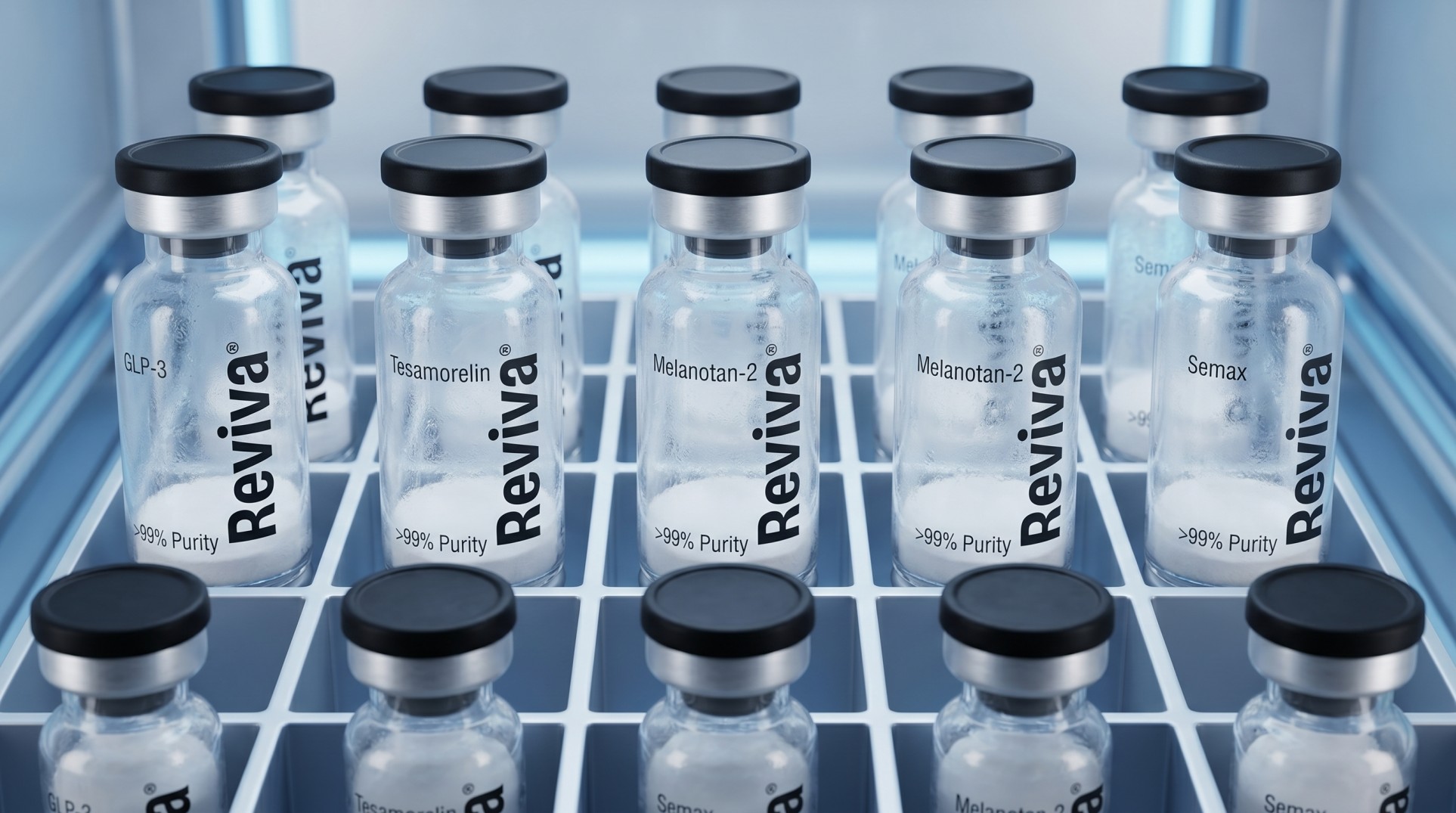
Peptide Reconstitution & Storage: A Deep Dive
A research-framed walkthrough of reconstituting lyophilized peptides and keeping them stable — diluent choice, concentration, cold-chain handling, and the degradation pathways that quietly ruin a vial.
 Laboratory Methods
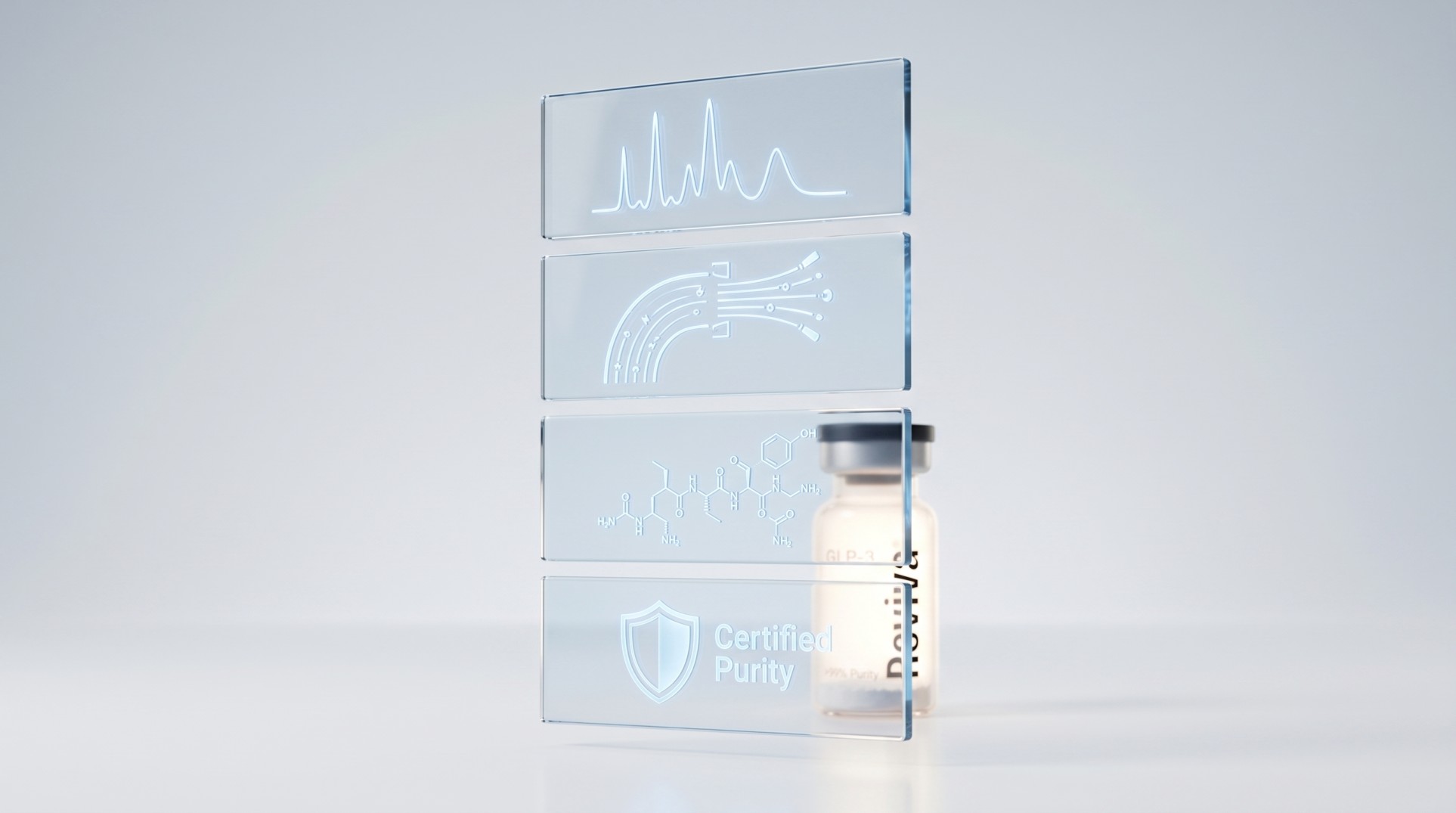
Common Analytical Testing Methods Explained
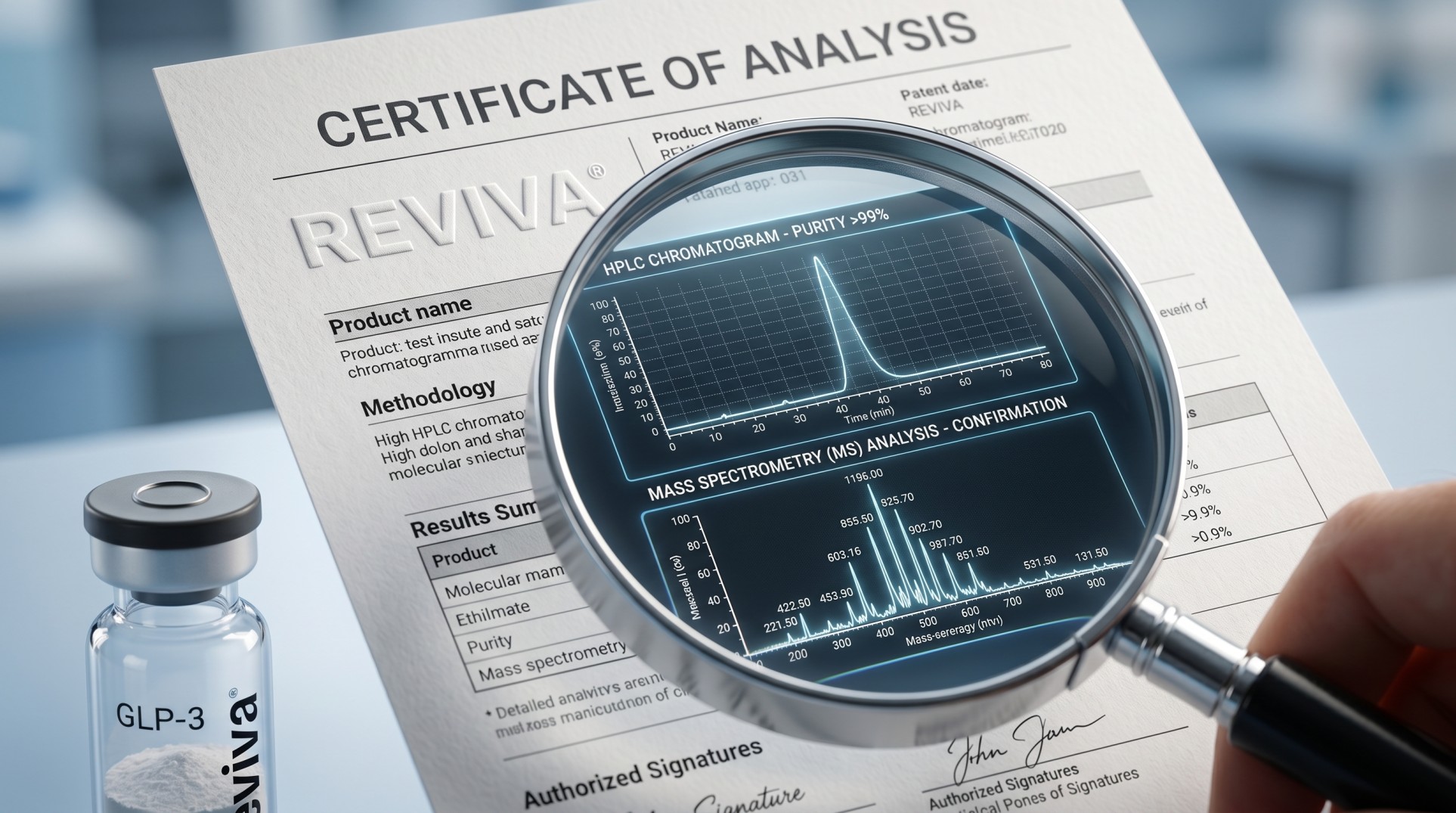
Understanding the techniques laboratories use to evaluate purity, identity, and quality. HPLC, mass spectrometry, amino acid analysis, FTIR, Karl Fischer titration, and UV-Vis are not interchangeable — each exists because it answers a different question, and reading reports well means knowing which is which.
 Laboratory Methods
HPLC vs Mass Spectrometry: Two Questions, Two Instruments
A Certificate of Analysis leans on two very different machines. HPLC asks how much of the sample is your peptide; mass spectrometry asks whether it is the right peptide at all. Here is how each works and why a credible COA needs both.
 Laboratory Methods
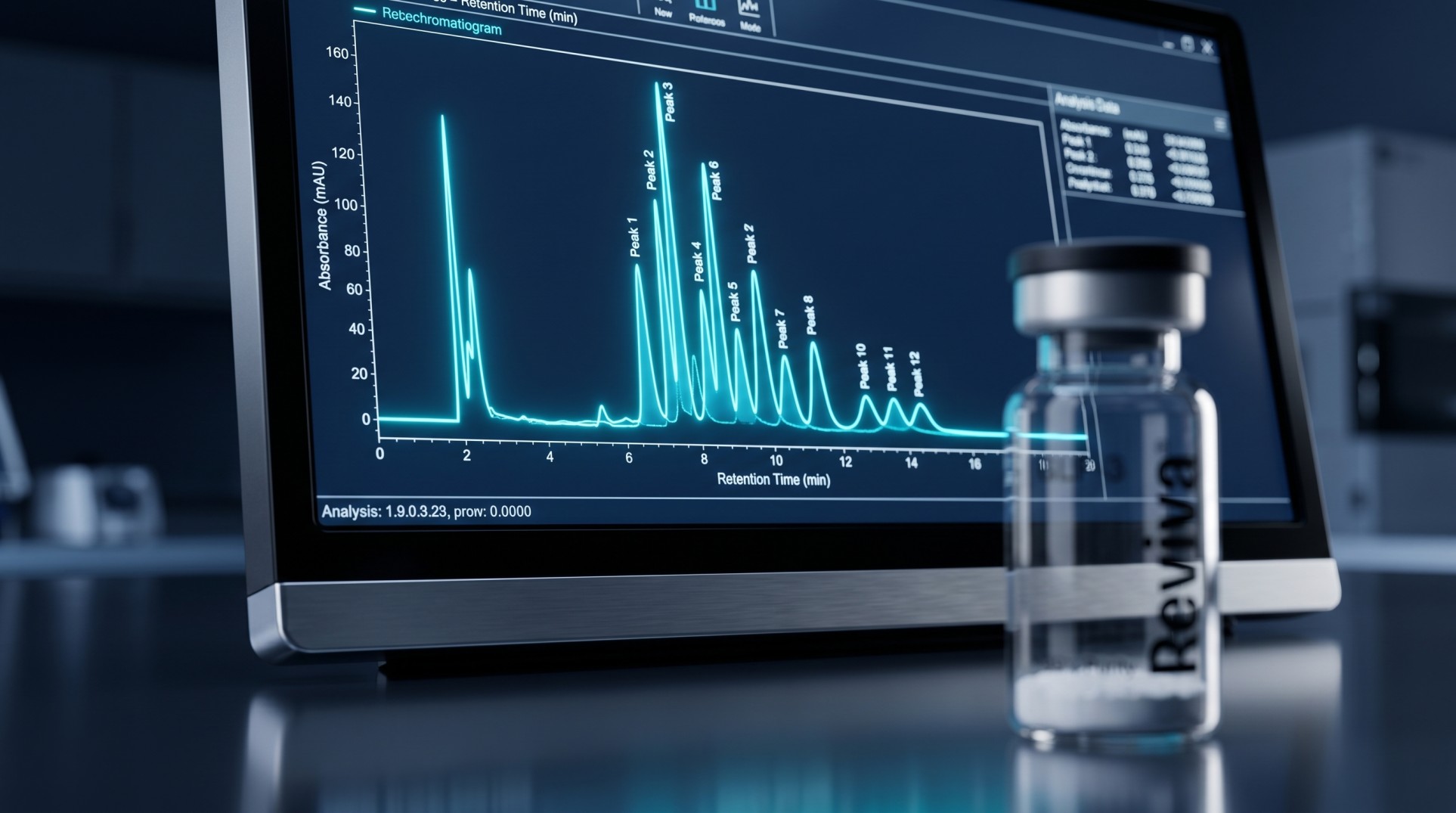
Understanding Chromatograms
How to interpret one of the most common analytical outputs found on Certificates of Analysis. A chromatogram is neither a purity percentage nor an identity certificate — it is a visual record of what the instrument detected, and reading it well means knowing what it can and cannot tell you.
 Quality & Testing
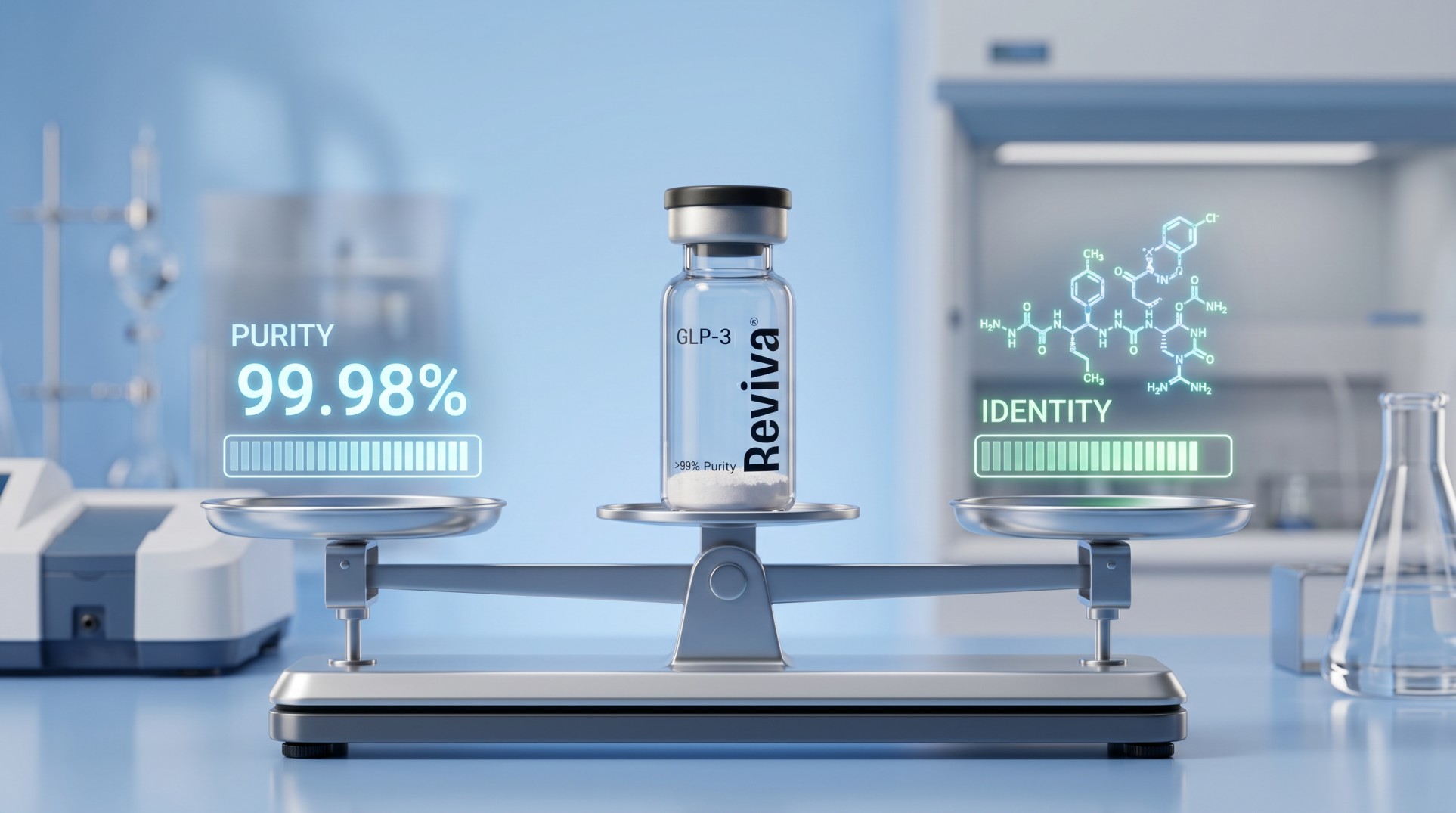
Purity vs Identity: What's the Difference?
Why a high purity result does not automatically confirm a compound's identity. Purity asks how much of a sample is your material; identity asks whether it is your material at all — and a credible Certificate of Analysis has to answer both.
 Quality & Testing
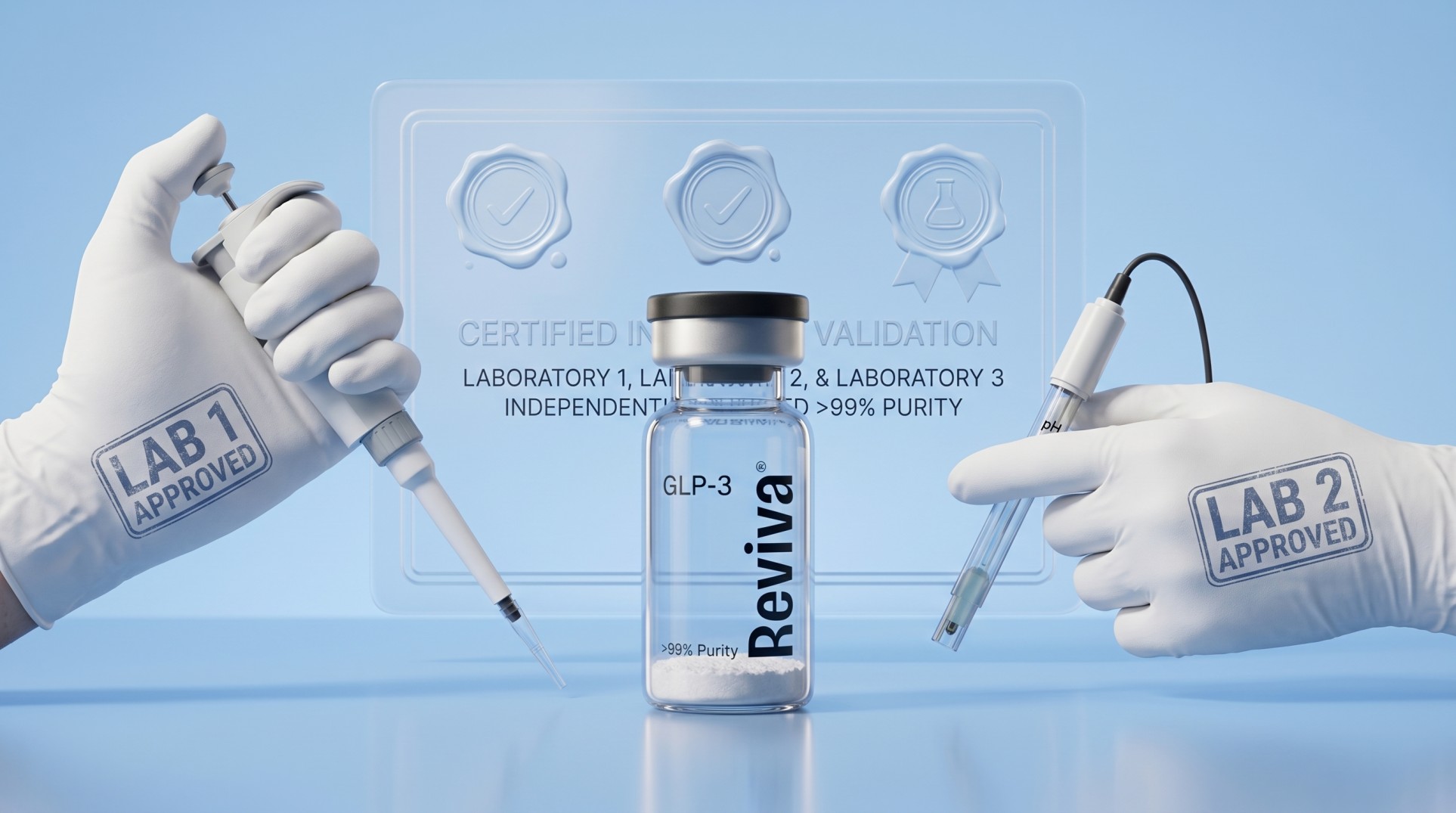
Third-Party Testing Explained: Why Independence Is the Point
A Certificate of Analysis is only as trustworthy as whoever signed it. Independent, third-party testing removes the conflict of interest behind a purity claim — here is what 'third-party' actually means and how to confirm it.
 Quality & Testing
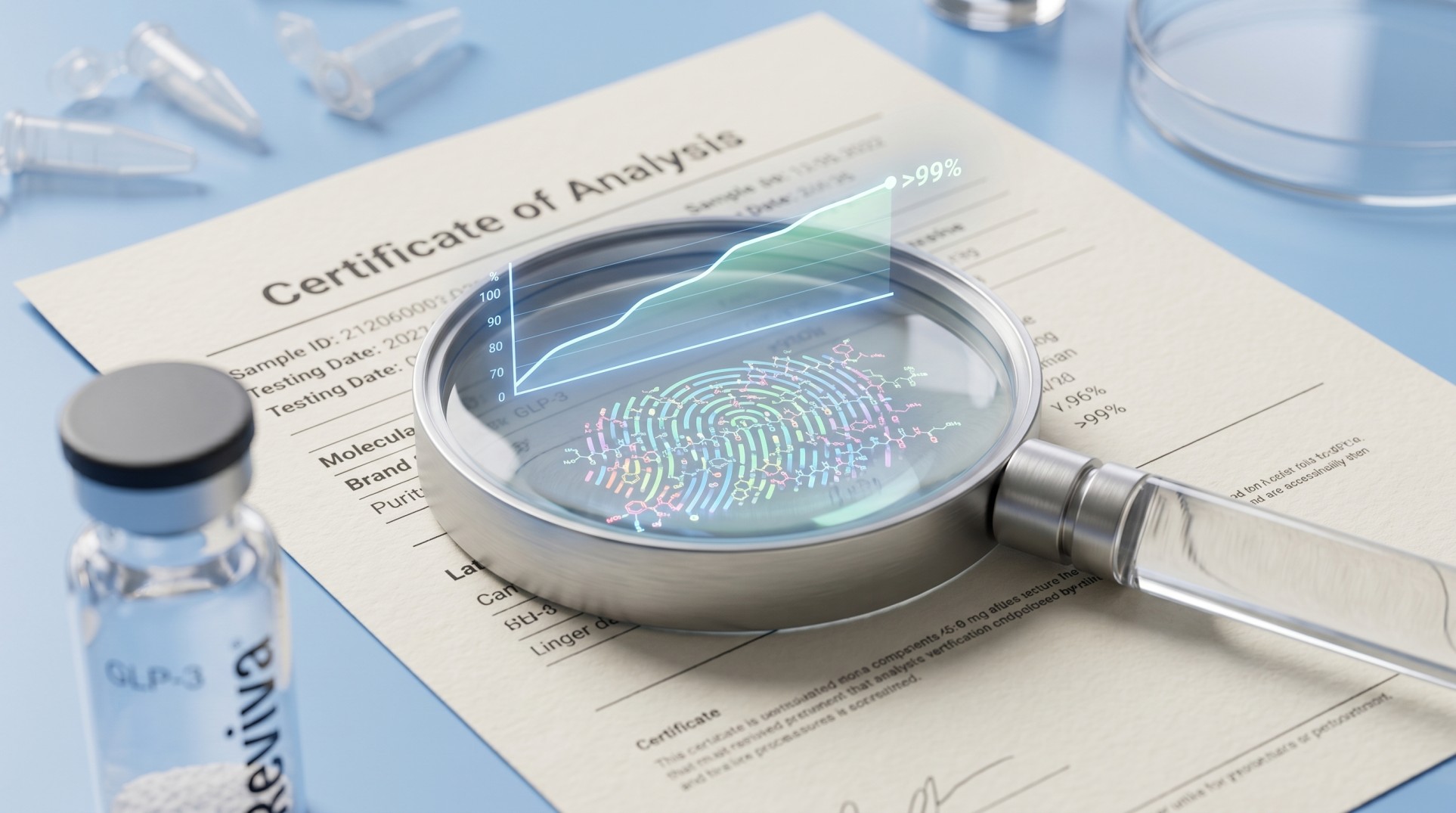
Understanding Peptide Purity: What ≥99% Actually Means
Purity is one of the most quoted peptide metrics and one of the most misunderstood. A plain-language guide to how HPLC measures it, how to read a chromatogram, and why the number alone is never the full picture.
 Quality & Testing
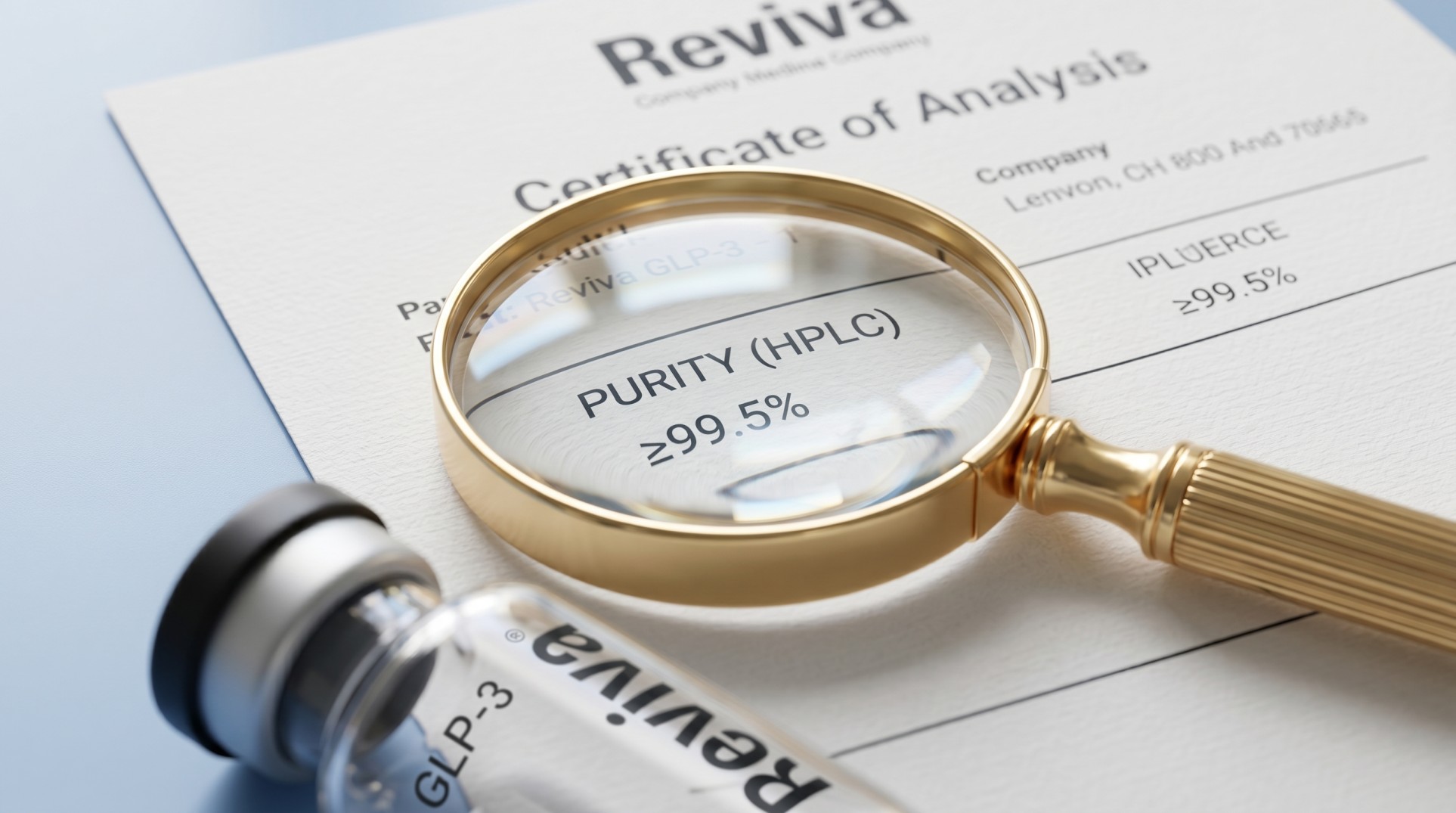
How to Read a Certificate of Analysis
A Certificate of Analysis turns a purity claim into evidence — but only if you can read it. A field-by-field guide to batch identity, HPLC purity, mass-spec identity, and the red flags that should stop a purchase.